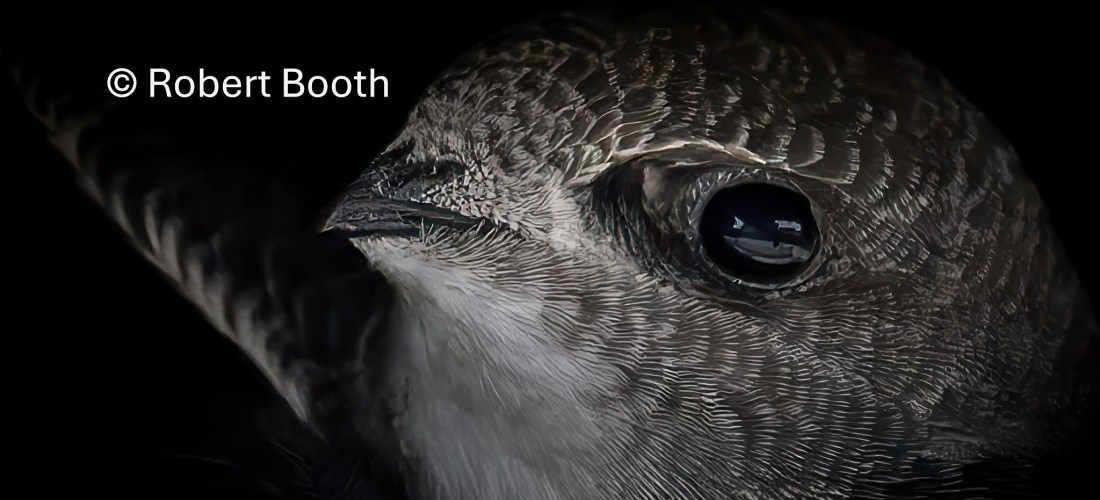
A Resident’s Guide
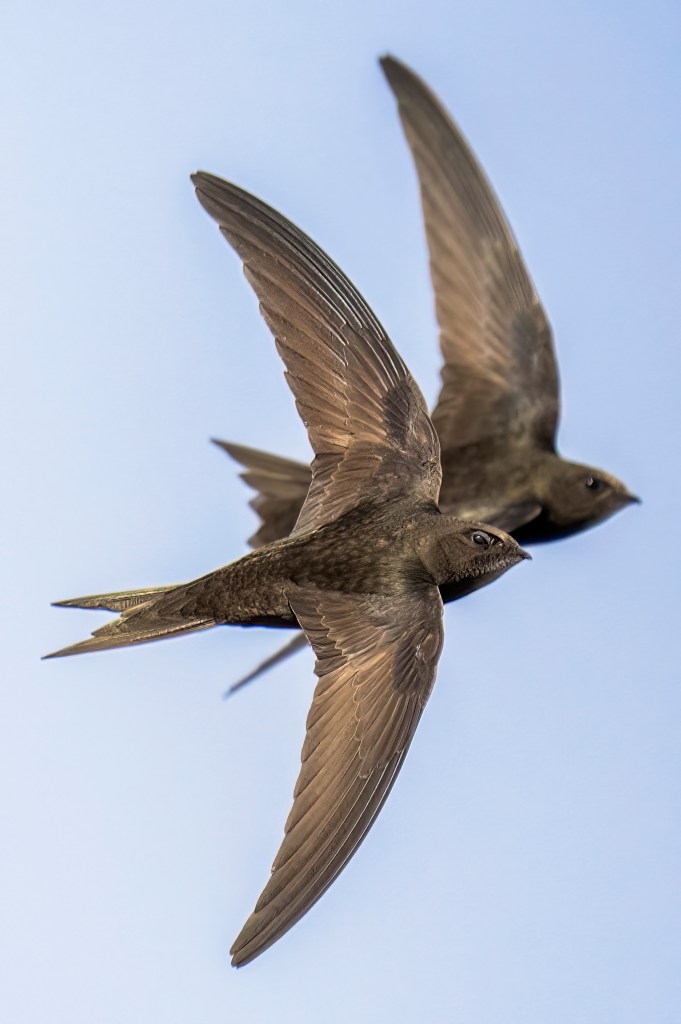
Swifts (Latin name – Apus apus) are an ancient species and have existed for at least 49 million years. In comparison, human ancestors have only been present for approximately 200,000 years.

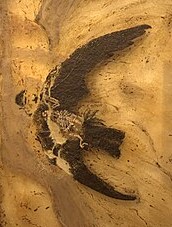
Right picture: 49 million years on earth © Ulrich Tigges
Sadly, in just 25 years, UK swift populations have fallen by more than 66% and they are now on the ‘red list’ of conservation concern.
By providing safe artificial nesting sites for swifts, you are playing a vital role in the conservation and breeding outcomes of these endangered summer visitors.
Swifts form lifelong pairs, and once a pair finds your nest they will return year after year, migrating thousands of miles to raise their young in the nest you have provided.
This guide details their distinctive aerial lifestyle – unparalleled within the animal kingdom – and examines their life cycle and migration, highlighting the importance of nest protection.
Part Bird – Part Sky
Swifts spend almost their entire lives in constant flight! They feed, drink, and even mate, on the wing – the only warm-blooded animal that does. Swifts sleep whilst flying. Known as unihemispheric slow-wave sleep (USWS), it’s thought they close off parts of their minds for moments at a time to rest.
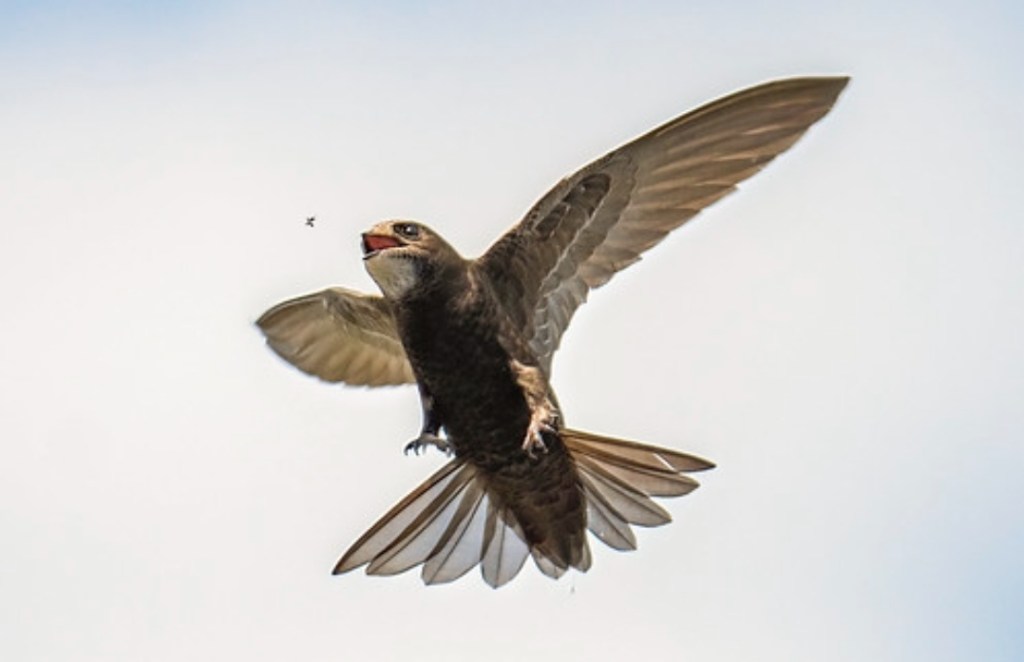
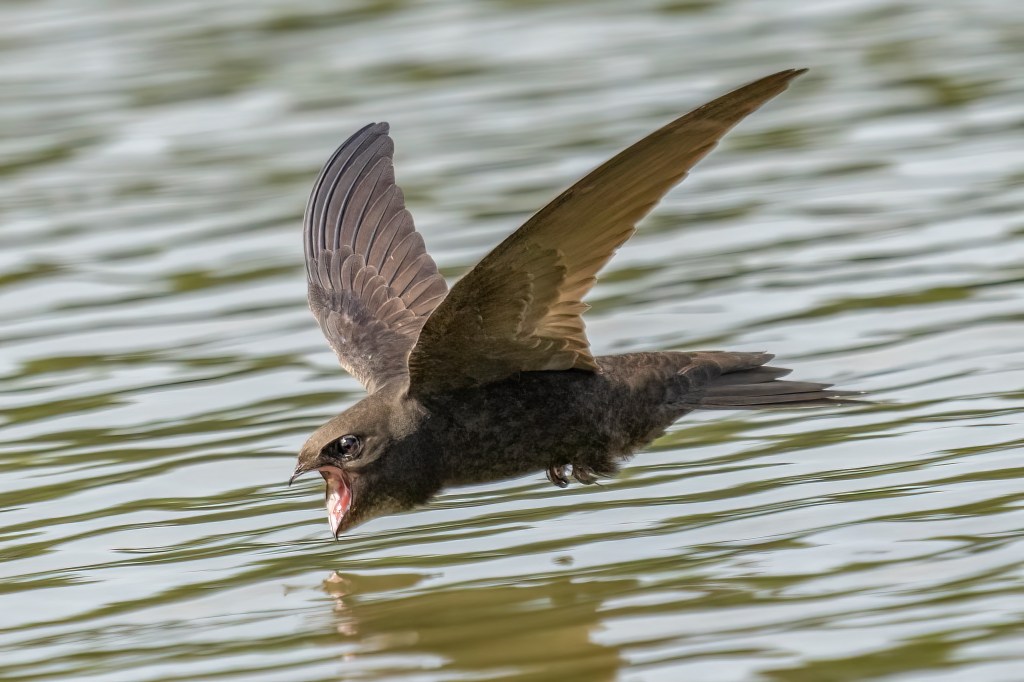
At dawn and dusk, swifts ascend to great altitudes (up to 2.5km) within earth’s boundary layer. At these heights, above the noise of the earth, it’s thought they orient themselves using earth’s magnetic fields and plan their movements by observing distant weather patterns.
Swifts are dependent on our buildings and have used human-made structures as nesting sites for thousands of years.
The Swift’s Lifecycle
Arrival:
Swifts migrate from sub-Saharan Africa to the UK, typically arriving in South Yorkshire in early May. They arrive in three waves – first, experienced adult breeders return to established nest sites, followed by younger birds searching for their first nest and mate, and finally yearlings who spend the summer prospecting (searching) for future nesting locations.
Nesting:
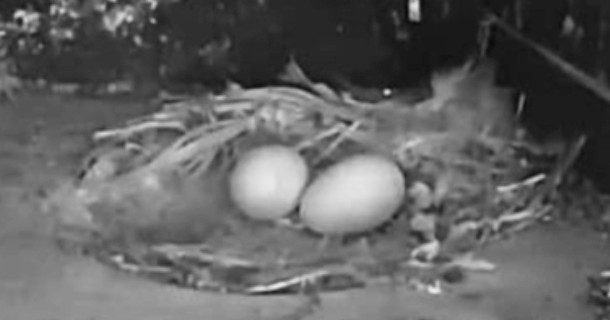
Swifts nest, almost exclusively in buildings, making use of small gaps under eaves or within roofs. They gather small amounts of nesting material while flying, and glue it together with their saliva. Each pair lays 2–3 eggs, most commonly in June, with both parents sharing incubation and chick-rearing duties. Eggs hatch after 18 – 21 days.
Raising Young:
Swift chicks are fed by both parents with food balls known as a ‘bolus’ made up of small insects caught in flight.
Chicks often perform vigorous wing and tail strengthening exercises or ‘press ups’ before fledging. At around six weeks, swift embark on their first nonstop flight to Sub Saharan Africa – often not landing again for 2–3 years.
Migration:
After the brief breeding season, (May – August) swifts migrate thousands of miles back to sub-Saharan Africa and remain airborne, continuously following food sources until it’s time to migrate back to the UK.
Why are Swifts at Risk of Extinction?
Whilst insect reduction is a problem for all insect feeding birds, the primary threat to swifts is the loss of nesting sites due to building repairs and renovations. Modern construction practices seal roof spaces and obstruct the small access points essential for swifts.
Because swifts are nest faithful, blocking or destroying nests can prevent breeding and often leads to fatal attempts to access them. In Sheffield in 2023, we filmed two pairs of swifts trying to access their blocked nests after their perilous 6,000-mile migration.
How You Can Help
- Create more new nest sites: these provide essential safe spaces for future generations. Here’s more information:
- Log your new nest sites and any swift activity on the RSPB’s Swift Mapper website or mobile app. This helps us with conservation efforts. Instructions are here.
- Encourage swifts to your nest site(s) by using a swift caller system to play recorded swift calls – this can speed up the adoption of new nesting sites, especially for younger birds searching for homes. Instructions and list of stockists are here.
- Protect natural nests – If you also have swifts nesting in your roof space:
- Schedule repairs or scaffolding outside the breeding season (May–September). Contact us, well in advance of any repairs, for FREE bespoke advice on protecting nests and our recommendations for swift-friendly tradespeople.
- Consider installing more artificial nest spaces during this time. We can suggest suitable, cost-effective options. If you must remove your swift box temporarily, ensure it’s replaced in precisely the same spot before swifts return in May.
- Share Knowledge: If moving home, tell new owners about your swift nest sites. Swifts use the same nest locations for decades – protecting these sites is vital for their survival.
British swifts are protected by law. It is illegal to disturb active bird nests (Wildlife and Countryside Act 1981).
By offering a forever nest for our Red Listed swifts you are helping to secure a future for these awe-inspiring birds. For FREE bespoke advice on artificial nests, nest preservation, or swift-friendly renovations, contact us – we are here to help.
Listen to our recent Wild Tales Podcast for the National Trust here:
See more films on our YouTube channel here.
 Sheffield Swift Network